
Catholic parenting is about much more than taking children to Mass on Sundays. It means creating a home where faith is part of everyday life, guiding children toward a personal relationship with God, and showing them how Catholic values can shape their choices.
Parents do not need to have all the answers or create a perfect religious routine. Children often learn the most from small, consistent examples of prayer, kindness, forgiveness, and trust in God. This guide offers practical ways to build a joyful Catholic family life that can grow with your children.
Make Prayer Part of Daily Family Life
Prayer is one of the strongest foundations of Catholic parenting. Begin with simple habits that feel natural and manageable for your family.
Say grace before meals, offer a short prayer before school, or thank God together at bedtime. Younger children may enjoy memorizing the Our Father, Hail Mary, and Guardian Angel Prayer. Older children can be encouraged to speak to God in their own words about their hopes, worries, and decisions.
A family Rosary can also become a meaningful tradition. Families with small children do not need to begin with all five decades. Praying one decade together can introduce the Rosary without making it feel overwhelming.
Creating a dedicated prayer corner can make these habits more inviting. A crucifix, Bible, candle, rosary, and image of the Virgin Mary or a favorite saint can help establish a peaceful place for family prayer.
Attend Mass With Patience and Consistency
Bringing young children to Mass can be challenging, but regular attendance teaches them that worship is an important part of family life. Children gradually learn the rhythm of the liturgy by experiencing it repeatedly.
Before Mass, explain what they will see and hear. Point out the altar, tabernacle, crucifix, candles, vestments, and sacred vessels. Encourage older children to follow the readings or notice the changing colors of the liturgical seasons.
Parents should not expect perfect behavior. Quietly redirect children when necessary and recognize small signs of participation, such as making the Sign of the Cross, kneeling, singing, or offering the Sign of Peace. Consistency matters more than perfection.
Teach Through Your Example
Children pay close attention to how their parents live. They notice whether adults pray only during difficult moments or maintain faith during ordinary days. They also observe how parents speak about others, respond to stress, admit mistakes, and practice forgiveness.
Catholic values become credible when children see them lived at home. Apologizing after losing patience teaches humility. Helping a neighbor demonstrates charity. Forgiving a family member shows mercy.
Parents can also talk openly about their own faith. Share why you pray, how a saint inspires you, or how trusting God helped you through a difficult experience. These conversations show children that faith is personal and relevant.
Celebrate the Liturgical Year at Home
The Catholic calendar gives families many opportunities to make faith engaging. Advent, Christmas, Lent, Easter, Pentecost, and saints’ feast days can all become meaningful family traditions.
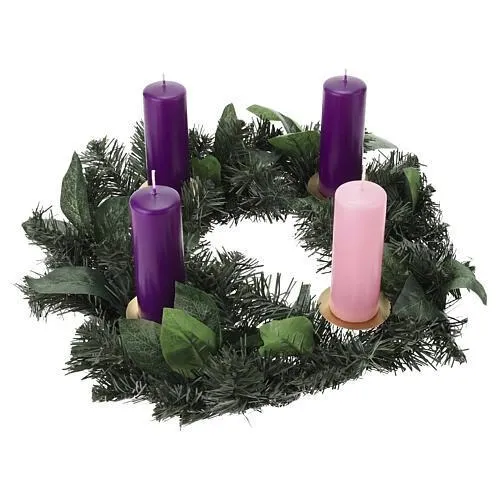
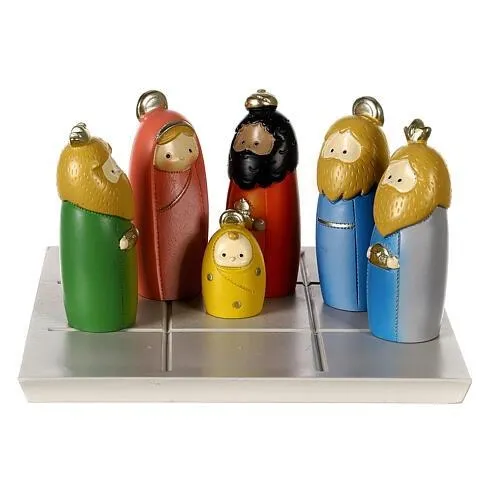
During Advent, light an Advent wreath and prepare a Nativity scene together. In Lent, choose a family sacrifice, attend Stations of the Cross, or collect food for a local charity. At Easter, decorate the home with symbols of the Resurrection and explain why the season continues beyond Easter Sunday.
Celebrate the feast days of family patron saints with a special meal, prayer, or story about the saint’s life. These traditions help children experience Catholicism as something joyful and connected to family memories.
Holyart offers Advent wreaths, Nativity sets, religious candles, crucifixes, saint statues, and other devotional items that can help families celebrate the liturgical year at home.
Help Children Understand the Sacraments
The sacraments are central to Catholic life. Parents can prepare children by discussing their meaning before formal parish preparation begins.
Explain Baptism as the beginning of life in Christ, Reconciliation as an encounter with God’s mercy, and the Eucharist as receiving Jesus in a unique and sacred way. Confirmation can be presented as a strengthening of baptismal grace and a call to live the faith with courage.
Books, sacred art, rosaries, medals, and age-appropriate religious gifts can support these conversations. A First Communion crucifix, Confirmation medal, or patron saint image can become a lasting reminder of an important spiritual milestone.
Answer Questions Honestly
Children may ask difficult questions about God, suffering, morality, or Church teachings. Parents do not need to give an immediate answer to everything.
It is better to say, “That is an important question. Let’s learn about it together,” than to offer an unclear or dismissive response. Consult Scripture, the Catechism, trusted Catholic books, a priest, or a knowledgeable faith formation leader.
Encourage questions rather than treating doubt as disrespect. A child who feels safe discussing uncertainty at home is more likely to continue exploring faith as they grow.
Practice Charity as a Family
Catholic parenting should help children recognize Christ in other people. Look for age-appropriate ways to serve together, such as donating clothing, preparing meals, visiting an elderly relative, supporting a parish collection, or praying for people in need.
Teach children that charity is not limited to giving money. Listening, sharing, welcoming others, and defending someone who is excluded are also expressions of Christian love.
Create a Faith-Filled Home With Holyart
Religious objects can serve as visible reminders of God’s presence. Holyart features Catholic gifts and devotional items for families, including children’s Bibles, rosaries, crucifixes, saint medals, guardian angel images, holy water fonts, prayer cards, and sacramental keepsakes.
Choose items that match your child’s age and spiritual development. A colorful guardian angel image may comfort a young child, while a teenager may value a patron saint medal, journal, or modern wall cross.
The goal of Catholic parenting is not to raise children who simply follow religious routines. It is to help them discover that they are loved by God and called to live with faith, courage, compassion, and hope. Through prayer, example, worship, honest conversation, and family traditions, parents can plant seeds of faith that continue growing throughout their children’s lives.
